Who we are

Our Story


SEGMENTE emerged as a brand in 2025,
when international development and development communications
had to evolve due to geopolitical changes.

A shift in mindset and a different way of looking at the practice were overdue.
As mid-career professionals, we saw that this transformation offered an opportunity to reflect, learn, and act differently.

This is why we declined to embody the infrastructure of the traditional agency.
Instead, we operate as a team of sector leads with complementary expertise and a network of specialists who hold domain
mastery across social protection and inclusion, research dissemination (the entire policy cycle), gender and the care economy,
climate-responsive systems, equitable partnerships and last but not least, narrative design.Our core advantage: We know project
implementation and programme delivery from within, its constraints, and the gaps between ideal strategies and what unfolds in reality
when projects kick off.

As a collective, we chose a technical name, meaning
“segments” in two languages. It demonstrates,
as indicated in our logo, our complementary expertise:
findings that are joined by a continuous,
bold statement, a narrative thread.  At SEGMENTE,
each of us knows her/his part, and even though we are informed
by the bigger picture, we also know each segment counts.

The Team


SEGMENTE acts on the conviction that technical excellence and the ability to make impact visible are not separate. Our work focuses on social protection and inclusion, gender and care economy, responsive social protection, sustainability advisory and branding for climate enterprises and communications.

Our international team of external experts brings experience from different countries and works across more than seven languages, including English, Urdu, Turkish, Bangla, Kurdish, and Swahili. This diversity ensures that our deliverables are contextually grounded, technically precise, and culturally relevant. We share the same analytical language that creates essential synergies.
​ 

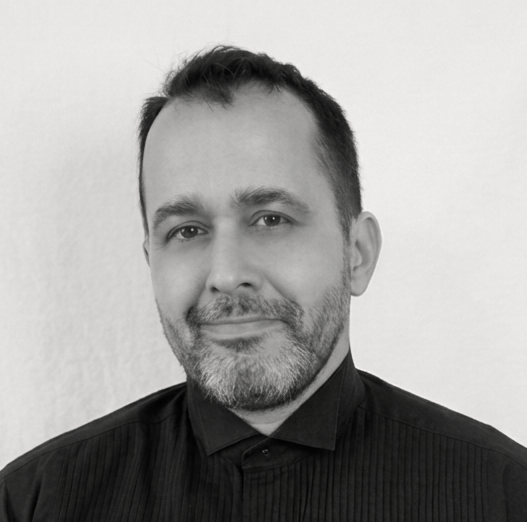
Mutlu Yetkin

Mutlu Yetkin

Founder, Strategic Communications Lead

Mutlu studied cinema at Marmara University’s Faculty of Fine Arts and has built a career crafting strategic narratives across domains. He steered communications for GIZ projects, led campaigns for CARE, and managed cross-cultural teams for RET across West Asia, East and Central Africa, and Türkiye. He founded SEGMENTE on the conviction that technical expertise and communicating results cannot be isolated disciplines. He works to establish shared languages of credibility. His strength lies in narrative strategy, translating grassroots achievements into stories, developing multimedia assets, learning-management systems, and digital toolkits. His pursuits include strategic communications, documentary filmmaking, and marketing assets that ensure long-term legibility and authority.
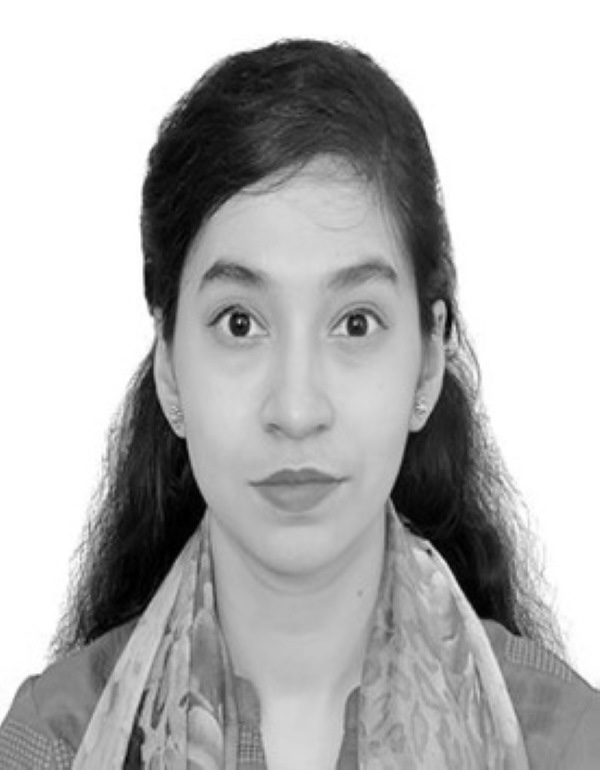
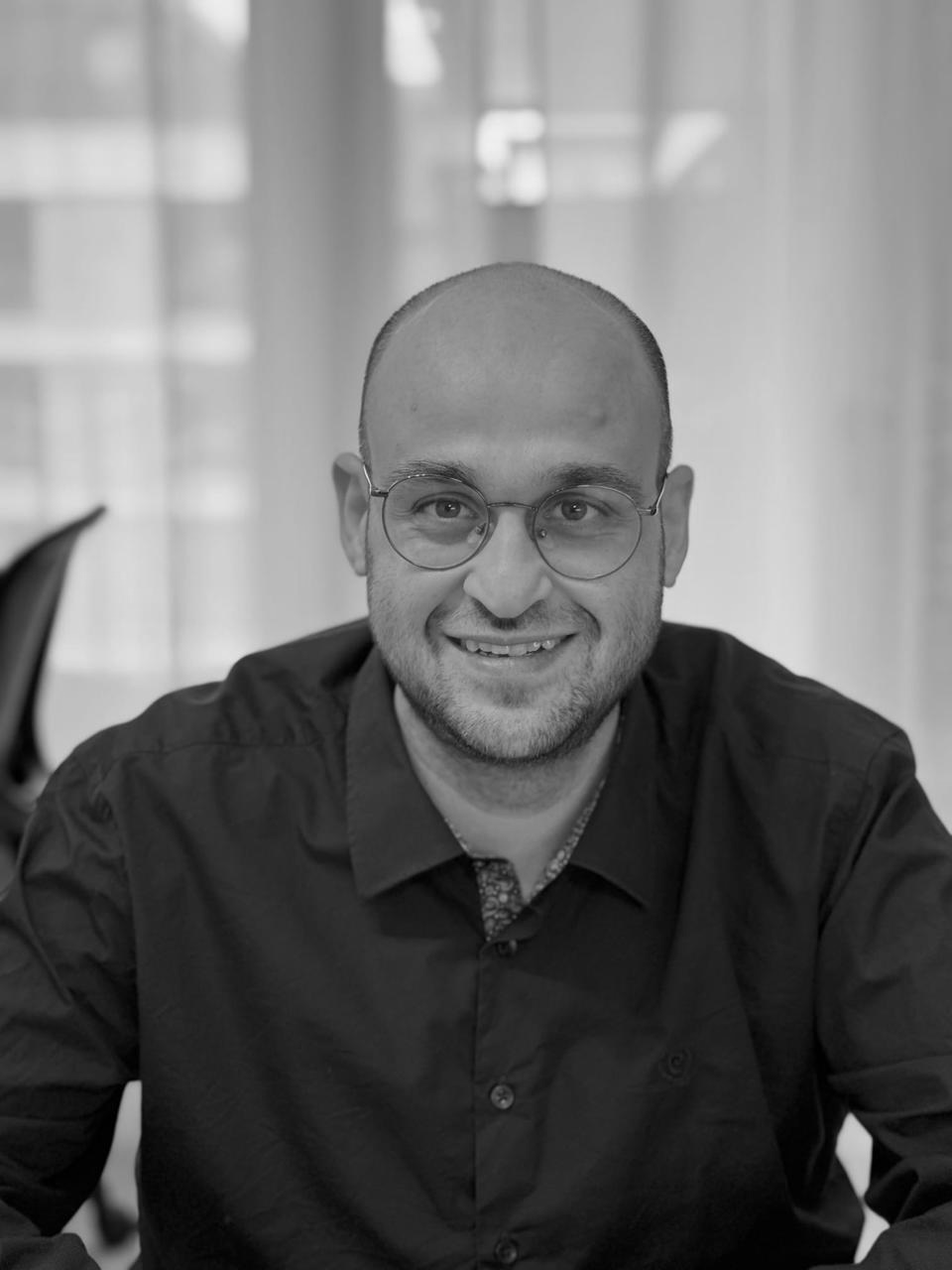
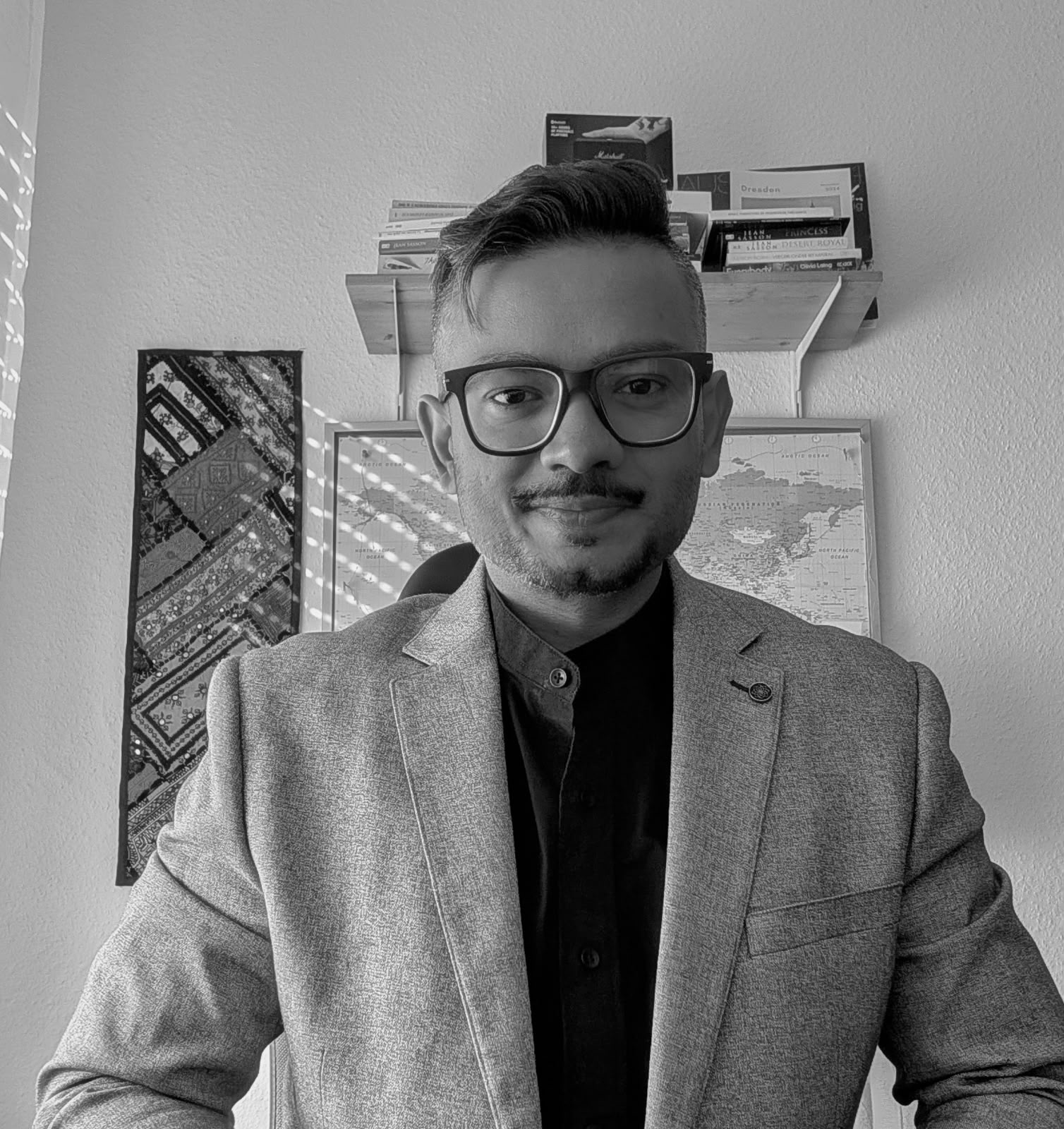
Nawshin Tabassum

Nawshin Tabassum

Gender Lead

Nawshin leads SEGMENTE’s gender and care economy work. She holds bachelor’s and master’s degrees in Women and Gender Studies from the University of Dhaka, finishing first in her undergraduate class, and an MA in the Analysis and Design of Social Protection Systems from Bonn-Rhein-Sieg University as a DAAD Helmut Schmidt Scholar, with a dissertation on social services for Bangladeshi women migrant domestic workers in Saudi Arabia. Her work runs from unpaid care and labour-market participation to workplace practice: she conducted UNRISD’s evidence review on the care economy in South Asia, contributed to Bangladesh’s National Human Development Report with UNDP, and led private-sector research for the IFC-supported Respectful Workplaces in Bangladesh study. She researched knowledge use in development bureaucracies at IDOS in Bonn, and teaches governance, gender and sustainable development at United International University. She works in Bengali, English and German.

Anas Ghonaim

Anas Ghonaim

Policy Research and Data Lead

Anas leads research design and quantitative analysis at SEGMENTE. He is a social protection researcher working on labour markets, informal employment, gender and migration across the Middle East and North Africa. He holds an MA in the Analysis and Design of Social Protection Systems and is trained in data analytics, and he works in Python across the full arc from raw dataset to policy brief. With the ILO Regional Office for Arab States, he cleaned and analysed labour, migration and social protection data for the ILO’s 2023 regional mapping of migrant workers’ access to social security in the Gulf states.

For the Asfari Institute at the American University of Beirut, he co-authored forthcoming research on women’s informal employment and their access to social protection in Egypt. For Alfanar, he assessed how social enterprises could strengthen social protection in Egypt and Jordan, and prepared a strategy paper for senior leadership on investment pathways. Earlier, at the International Trade Union Confederation, he wrote an economic briefing on migrants’ access to social protection and drafted the progressive taxation section of its Beyond GDP report.

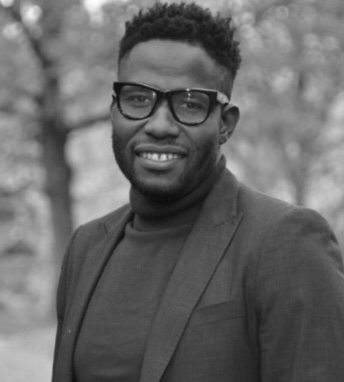
Brian Mathebula

Brian Mathebula

Inclusive Social Protection Lead

Brian is a social protection specialist whose work centres on poverty alleviation, universal basic income, informal economy policy and disability inclusion across Sub-Saharan Africa. He holds a PhD in Governance, with doctoral research on public support for universal basic income grant designs in South Africa, as well as an MA in Social Protection and degrees in Politics and Public Management and Governance. He coordinates an international M.Sc. programme in Social Protection in Germany, where he teaches social transfers, and runs a UNICEF-supported short course on the inclusion of persons with disabilities.

As a GIZ consultant, he co-developed a Social Protection Certificate curriculum for Malawi. Earlier, at the Studies in Poverty and Inequality Institute, he worked on a pilot that linked the Child Support Grant to business-skills support for women running informal enterprises. He also co-authored the City of Johannesburg’s Informal/Second Economy Policy. He has written chapters on the basic income grant for the Handbook of Social Protection Systems (Edward Elgar).

External Experts

Bilal Akhter

Bilal Akhter

Climate and Adaptive Social Protection Expert

Bilal advises SEGMENTE on climate and adaptive social protection. A DAAD Helmut Schmidt Scholar, he holds an MA in Analysis and Design of Social Protection Systems from Bonn-Rhein-Sieg University, with high honours, and BA and MA degrees in International Relations from the University of Karachi. With Oxford Policy Management, he led the Gates Foundation-funded Payvand feasibility study on childhood immunisation in Sindh, designed the vulnerability index for KfW’s work on women’s economic inclusion in Karachi’s informal settlements, and contributed to a €27 million KfW adaptive social protection investment. He leads a UNICEF-funded synthesis on children’s climate vulnerability and advised the Global Shield against Climate Risks. Earlier, with the Government of Sindh, he led a non-formal education programme reaching over 15,000 out-of-school learners, mostly women and girls, and coordinated a USD 3 million youth employment project with UNDP. He works in Urdu, English and German.

Ready to elevate your operations?

Tell us what you are working to change.